When you walk through a brand-new construction home in Phoenix, Peoria, Scottsdale, or anywhere across the Valley, everything looks pristine. The paint is fresh, the countertops gleam, and you get that unforgettable brand-new home smell. It’s easy to assume everything behind the walls and above the ceiling is perfect. After all, nobody has ever lived there, and it was built to code, right?
Not so fast.
While today’s homebuilders construct beautiful properties, tight building schedules, supply chain shifts, and quick handoffs between multiple subcontractors mean things get missed. City municipal inspectors do great work, but they are often on site for only a few minutes to check for baseline, minimum code compliance — not finish quality, long-term system performance, or detailed workmanship.
At Protect Property Inspections, our independent team inspects to Arizona Registrar of Contractors (AZROC) Workmanship Standards, which hold builders to a much higher standard of execution. Bringing in an independent inspector before closing ensures critical defects are documented and repaired before you take ownership.
10 common defects our inspectors find on brand-new Arizona builds
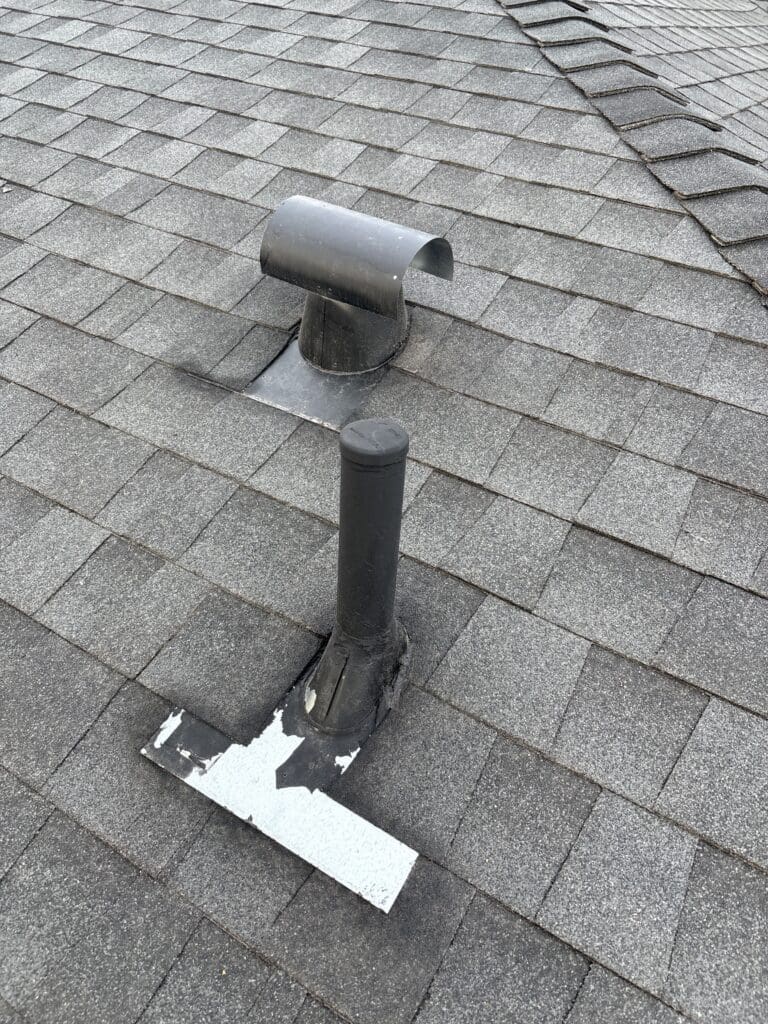
1. Cracked roof tiles and misaligned flashings
It’s surprisingly common to find cracked or broken concrete roof tiles on a house before or right after the buyer gets the keys.
- The root cause: Damaged tile deliveries or improper handling during installation.
- Why it matters: When paired with missing or misaligned metal flashings along roof valleys and penetrations, a brand-new roof could easily leak during its very first heavy Arizona monsoon.
2. Gas leaks at the meter
Safety is always our primary concern on any inspection. Even on fresh installations, minor gas leaks at the meter connections, pressure regulators, or appliance flex lines are a frequent finding on our reports — and they require immediate repair before move-in.
3. Missing or uneven attic insulation
Attic insulation is often blown in quickly near the end of the build. Inspectors regularly find gaps, low spots, or entirely missed sections near soffits and access hatches. Those voids can force your AC system to work significantly harder during peak summer 110°F+ heat, driving up utility bills and leaving specific rooms uncomfortable.
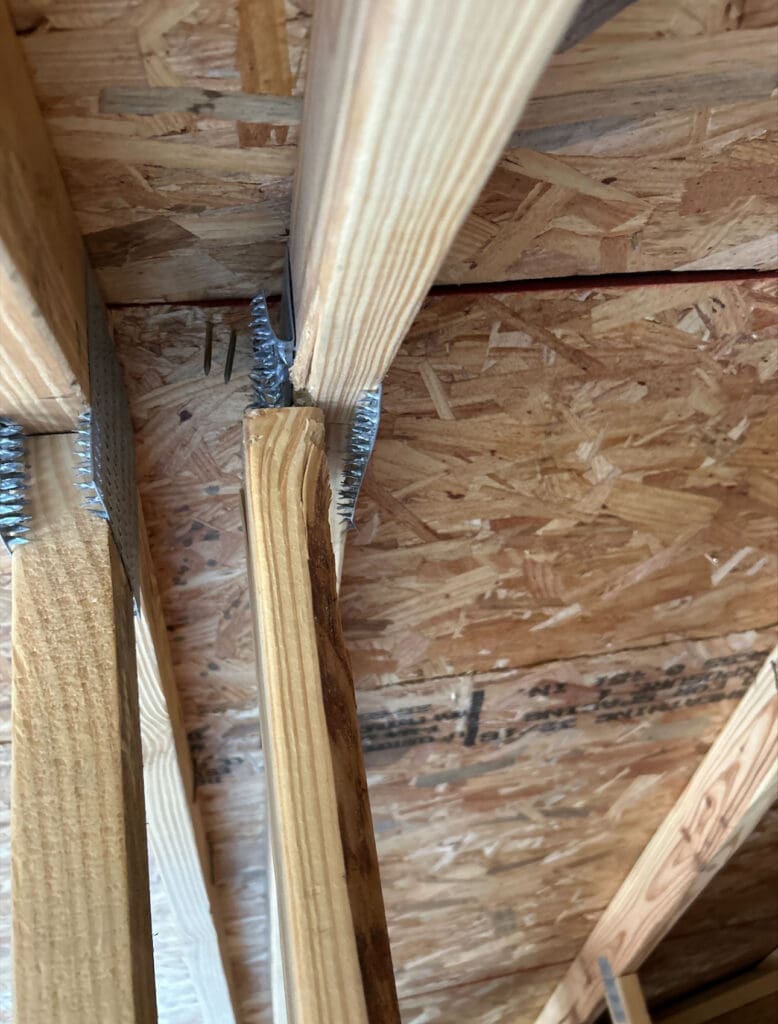
4. Damaged roof trusses and improper fasteners
During an attic inspection, it is surprisingly common to uncover cracked trusses or improper structural hardware above the ceiling.
- The root cause: Engineered trusses can get damaged in transit, from rough handling during installation, or when trade contractors force HVAC ducts, plumbing, and electrical lines through tight spaces. Inspectors also regularly find improper or missing fasteners — and missing connector plates where framing meets exterior walls.
- Why it matters: Trusses support heavy tile roof loads under strict engineering calculations. Any broken chord or improper or missing fastener threatens structural stability and requires an engineered repair solution from the builder.
5. Cracked stucco and exposed metal components
Arizona’s extreme desert heat accelerates drying times, which often causes hairline stucco cracking. A major workmanship defect occurs when stucco is applied too thin, leaving the underlying metal mesh (lath) exposed to the elements.
- The “chicken coop finish”: When lath remains exposed, it rapidly rusts and deteriorates — a poor finish known in the inspection industry as the “chicken coop finish.”
- Why it matters: Exposed metal lath can lead to rust and moisture intrusion risks.
6. Cracks in prefabricated shower and tub assemblies
Cracks in 2-piece or 3-piece prefabricated fiberglass and acrylic shower or tub assemblies are a relatively common defect in new-build construction.
- The root cause: Stress fractures typically result from improper installation, rough handling, or damage caused by construction trades working on site before completion.
- Why it matters: Even minor cracks can allow water to seep behind the assembly into unsealed framing cavities, setting up hidden wood decay and mold growth inside a brand-new home.
7. Bowed walls or off-angle corners
When drywall is installed over bowed or twisted framing studs, you get visibly crooked walls, gaps behind baseboards, and interior corners that aren’t a clean 90 degrees.
- The takeaway: Beyond cosmetics, crooked framing makes installing cabinetry, granite countertops, tile backsplashes, and custom shelving much harder later on.
8. Hollow-sounding floor tiles and tile lippage
Tile floors may look flawless at a glance, but running a specialized tile-tapping tool across the room often reveals large pockets (“voids”) where mortar was under-applied underneath.
- Why it matters: Hollow spots make tiles brittle and prone to cracking under everyday foot traffic.
- Watch for lippage: One tile edge sitting noticeably higher than its neighbor creates tripping hazards and uneven walking surfaces.
9. Nail pops and exposed corner beads
As newly framed lumber dries out in the desert air, it shrinks slightly. That can push drywall screws or nails outward, creating small bumps known as nail pops. Rushed drywall finishing also often leaves metal corner beads showing through the paint.
10. Missing caulking and weatherstripping
Small gaps equal big problems in the desert. Skipped sealant around exterior window frames, missing weatherstripping on exterior doors, and unsealed wall penetrations create open paths for pests, dust, and heat.
Don’t waive your right to an independent inspection
Under Arizona ROC guidelines, builders are required to adhere to professional workmanship standards, but they often won’t fix what isn’t documented.
Bringing in an independent third-party inspector before closing — or scheduling an 11-month warranty inspection before your builder warranty expires — helps keep small construction oversights from turning into costly out-of-pocket repairs later.
Closing on a new build in Arizona?
Learn more about our specialized new build inspection services, or call Protect Property Inspections at (480) 808-2828 to protect your investment before you sign.