
MOLD INSPECTIONS • MOLD TESTING AND AIR QUALITY TESTING
Is Mold Really an Issue in Arizona?
You might think that living in Arizona, with its famously dry climate, would mean you’re off the hook when it comes to dealing with mold. After all, mold loves damp, humid environments, right? But here’s the kicker—mold problems can and do occur in Arizona homes and buildings, and they’re not something you can just ignore. In fact, getting Mold Inspections and Mold Testing done can be crucial in ensuring your home remains a safe and healthy place.
Why Does Mold Show Up in Arizona?
Let’s be real: Arizona’s dry climate isn’t exactly a paradise for mold. But even here, mold can find a way to thrive, and it all comes down to moisture. Whether it’s a plumbing leak that goes unnoticed or exterior drainage issues that allow water to pool near your home, these sources of moisture can create the perfect breeding ground for mold.
Even if you think your home is safe because of the dry air, don’t be fooled. Any area in your home that has poor ventilation or where moisture isn’t properly controlled can quickly become a hot spot for mold growth.


What Triggers Mold Growth?
It doesn’t take much to get mold started. All it needs is a little bit of moisture, and before you know it, those spores can begin to spread. Water intrusion, whether from a slow leak or a sudden flood, can provide mold with the perfect conditions to settle in and start growing. That’s why it’s so important to tackle any water-related issues as soon as they arise.
If you notice any signs of water intrusion or moisture buildup in your home, don’t wait to address them. Regular inspections and quick action can save you a lot of headaches down the line. This isn’t just about preventing mold—it’s about maintaining a healthy indoor environment for you and your family.
How to Keep Mold at Bay
So, what’s the best way to keep mold from becoming a problem in your Arizona home? Start by staying on top of any potential sources of moisture. This means regularly checking for leaks, ensuring your home is well-ventilated, and addressing any drainage issues around your property. It’s all about being proactive.
Consider having regular Mold Inspections and Mold Testing done, especially if you suspect that your home might be at risk. And if mold is discovered, don’t hesitate to get an Air Quality Test. This can help you understand the extent of the problem and guide you in taking the necessary steps to fix it.
The Bottom Line
Even in Arizona’s dry climate, mold can still find a way to become an issue. But by being vigilant and proactive, you can keep your home safe and mold-free. Regular maintenance, inspections, and prompt attention to any signs of moisture are key to preventing mold from taking hold in your home. So, don’t let Arizona’s dry weather lull you into a false sense of security—mold can be a problem, but with the right approach, it doesn’t have to be.
By following these guidelines, you can help ensure that mold doesn’t become a problem in your Arizona home, allowing you to breathe easier and live healthier.
HOW TO DETERMINE IF YOU HAVE A MOLD PROBLEM
Air Quality Testing

Improve your indoor air quality with our top-notch air quality testing services conducted by our IAC2 certified inspectors. Our inspectors utilize advanced Rotameters to monitor the air and gather samples of airborne particles. With their high level of expertise, they can detect mold spores even when they are not visible to the naked eye or hidden within walls or HVAC ducts. Trust our air quality testing to ensure the safety and health of your home or business. Contact us today to schedule an appointment.
Limited Mold Inspection
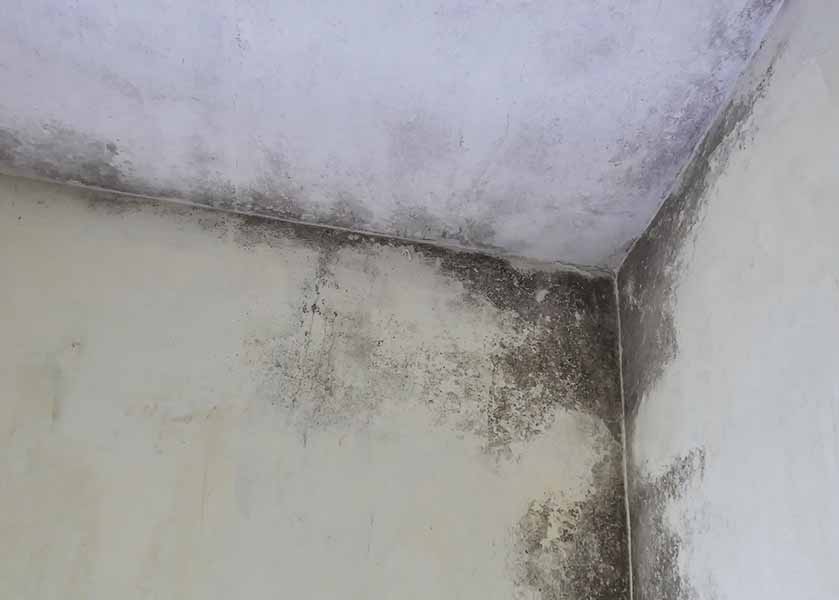
For a targeted evaluation of specific areas of concern related to mold, our limited Mold Inspections are the perfect solution. Our expert inspectors use state-of-the-art Air Quality Test metering equipment to detect mold spores, along with moisture meters, thermal imaging cameras, and swab testing, to identify the root cause of the identified issues. Samples are carefully collected and sent to a certified lab for further testing. Trust our knowledgeable Mold Testing team to provide you with a thorough and detailed limited mold inspection that will give you peace of mind and help ensure the safety of your home or business. Contact us today to schedule an appointment.
Mold Inspection
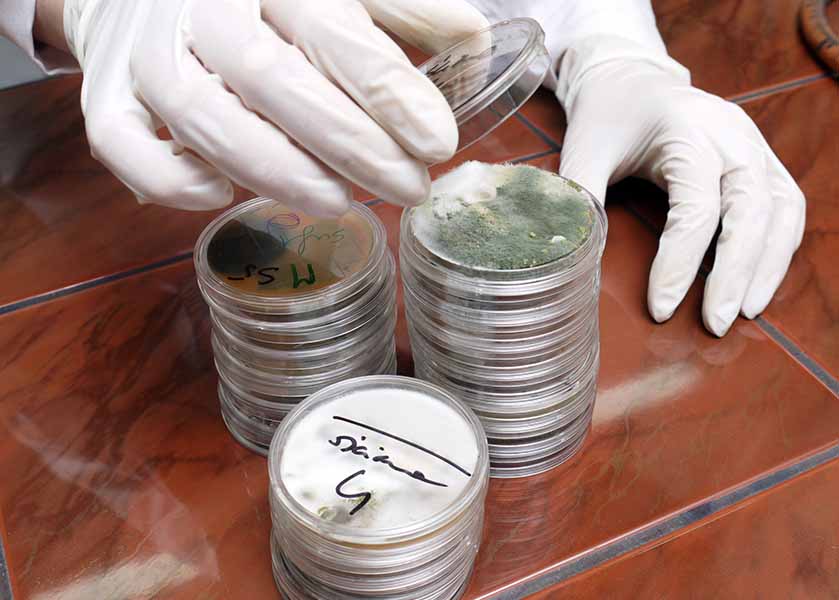
For a comprehensive evaluation of your property for potential mold issues, our Mold Inspections are the perfect solution. Our expert inspectors will thoroughly assess your entire property for signs of moisture intrusion, water damage, musty odors, visible mold growth, and conditions conducive to mold growth. All Mold Testing samples collected during the inspection will be sent to a certified laboratory for detailed analysis. This is the most in-depth inspection we offer, and is ideal for those who want a complete evaluation of their home’s potential mold and moisture issues. An Air Quality Test may also be recommended. Trust our experienced team to provide you with a detailed report on your property’s mold and moisture status. Contact us today to schedule an appointment.
Peace of Mind for Home Buyers and Homeowners: Understanding Mold Testing and Inspection
When you’re a homeowner dealing with concerns about mold, or a prospective buyer worried about potential mold issues in your new home, our mold testing and inspection services provide the clarity you need. Conducted by our team of Certified Mold Professionals, these services ensure that you’re well-informed about the mold levels in your home, helping you make educated decisions.
Why Mold Testing is Essential for Your Home
Mold is a common issue that can be found in almost every environment. However, not all molds are harmful, and understanding the types and levels of mold in your home is crucial. While it’s impossible to eliminate all mold spores entirely, knowing which molds pose a threat to your health and what levels are considered safe allows you to decide whether mold mitigation is necessary.
How Our Mold Testing and Inspection Services Work
Our certified experts use the latest techniques to identify mold types and concentrations in your home. Whether you’re a homeowner concerned about the indoor air quality or a buyer wanting to ensure your future home is safe, our thorough inspections give you peace of mind.
Take Action Today
You can easily schedule an appointment online, or contact us directly to learn more about how our services can help protect your home. By staying informed about the mold in your environment, you take a significant step toward ensuring a healthy living space for you and your loved ones.
Frequently Asked Questions
What is mold testing, and when is it necessary?
Mold testing involves collecting and analyzing air or surface samples to determine the presence and concentration of mold spores. It’s most useful when a mold issue is suspected without visible signs—such as musty odors—or when documentation is needed for insurance, rental, or remediation purposes. In many cases, visual inspection combined with moisture assessment is sufficient, especially if mold is obvious.
Do I need to test if I can see or smell mold?
Not necessarily. The EPA advises that if mold is visible or odor is present, remediation should proceed without testing, as testing rarely changes the cleanup approach.
How is a professional mold test performed?
A certified inspector typically conducts a visual assessment, followed by targeted sampling using tools like moisture meters or infrared cameras. If needed, air or surface samples (e.g., tape samples) are collected and sent to an independent laboratory for analysis, often with a chain-of-custody process for reliability.
What types of mold testing methods are used?
Common methods include:
- Air sampling, comparing indoor and outdoor air quality
- Surface sampling (tape, swab, or bulk) to identify mold types on specific surfaces
- Visual assessments combined with humidity or moisture scanning tools
Can I use a DIY mold test kit?
At-home kits may give false or misleading results. Industry experts recommend hiring a professional inspector for accurate assessment and to determine the root cause of mold growth.WIREDEnviroVantage
Will mold testing tell me how to fix the problem?
Testing identifies the type and level of mold, but an effective remediation plan also requires identifying and fixing underlying moisture sources. The best assessments accompany moisture control strategies, not just mold removal.
Are there any standards or guidelines for acceptable mold levels?
No. There are currently no federal or EPA-recommended standards for mold levels. Professional assessments typically focus on identifying discrepancies between indoor and outdoor spore levels or visible pattern anomalies.
What credentials should a mold inspector have?
Certified inspectors should ideally hold mold-specific accreditations (e.g., IICRC WRT or AMRT, ACAC, or IAQA). Importantly, the testing entity should be independent of remediation services to avoid any conflict of interest.
How much does mold testing typically cost?
Cost varies depending on the size of the area tested and the number of samples. Visual inspections are often less expensive, while laboratory testing can range higher. Expect individual air sampling costs to range from a few hundred to over a thousand dollars.