New Build Home Energy Assessments – Hold Your Builder Accountable!
In Arizona, most builders claim that their homes are ENERGY STAR® rated—but what does that really mean? Many homebuyers assume this guarantees a high level of energy efficiency, but the reality is most homes are never individually tested.
Here’s What the Builders Don’t Tell You:
Builders receive federal government kickbacks (sometimes up to $5,000 per home!) for meeting ENERGY STAR® standards. However, instead of testing every home, builders only test a small sample—often just 1 out of every 7 homes.
If the first home passes, the next six are automatically signed off as ENERGY STAR® certified—without ever being tested!
If the first home fails, only that specific issue is tested on the remaining homes—ignoring all other efficiency factors.
What does this mean for you?
Your home may not be as energy-efficient as the builder claims, potentially costing you hundreds or even thousands in higher energy bills over time.
Introducing Our Certified New Build Home Energy Assessments
At Protect Property Inspections, we now have Rating Field Inspector (RFI) who specialize in verifying a home’s true energy efficiency. Our team conducts a full Home Energy Assessment designed specifically for new construction homes—auditing the builder’s claims and ensuring your home is actually built to the promised standards.
What’s Included in Your Home Energy Assessment?
Our comprehensive assessment includes:
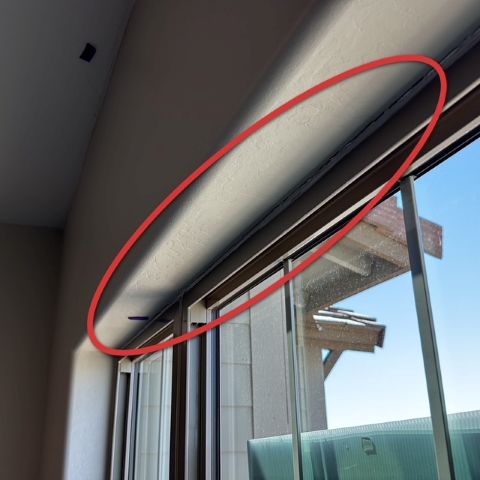
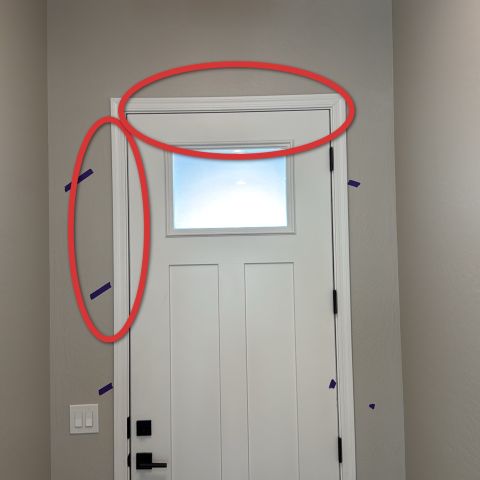
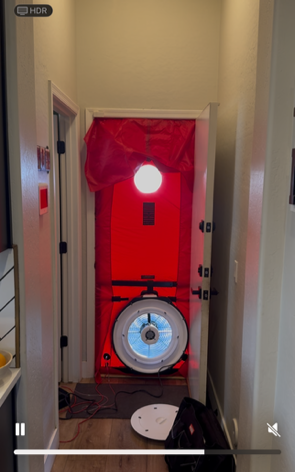
- Blower Door Test – Measures air leakage and identifies weak points in your home’s air sealing.
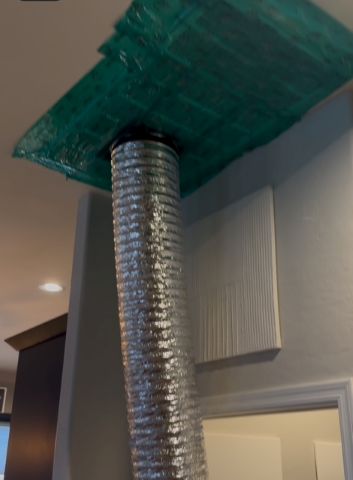
- Duct Blast Test – Checks for leaks in the ductwork that could be reducing HVAC efficiency.
- Moisture Vent CFM Measurement – Ensures bathroom and kitchen exhaust fans meet proper air exchange requirements.
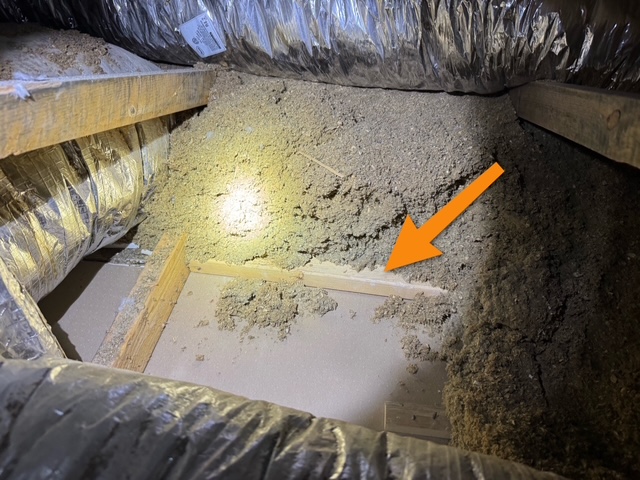
- Attic Insulation Evaluation – Confirms insulation levels meet ENERGY STAR® and Arizona ROC standards.
- Thermal Imaging Scan – Detects missing insulation, hidden air leaks, and potential efficiency problems.
By performing this assessment, we can determine if your home truly meets energy efficiency standards—or if the builder cut corners.
Why This Matters for Homeowners & Realtors
- Lower Energy Bills – A home that isn’t properly sealed, insulated, or ventilated will cost you more in heating and cooling.
- Increased Comfort – Poor insulation and ductwork leaks lead to uneven temperatures and drafty rooms.
- Resale Value – A verified energy-efficient home is more attractive to future buyers.
- Hold the Builder Accountable – If issues are found, you have proof to demand corrections from your builder.
Schedule Your New Build Home Energy Assessment Today!
Most Arizona homeowners assume their new home is energy-efficient—but the reality is, many are not. With our specialized assessment, you can verify your home’s performance and protect your investment.
Don’t assume your home is energy-efficient— let us prove it!
Frequently Asked Questions
What is a home energy assessment and what does it include?
A home energy assessment—also known as an energy audit—is a professional evaluation of how your home uses energy. It typically includes a room-by-room inspection using tools like blower door tests, thermal imaging cameras, and gas/vapor detectors to uncover energy loss, insulation issues, air leaks, and safety concerns like carbon monoxide.
How long does a professional energy assessment take?
Assessments typically last between 1 to 4 hours, depending on your home’s size and construction.
Why should I get an energy assessment?
An assessment helps identify inefficiencies and areas for upgrade—like drafty windows, poor insulation, or inefficient equipment. This enables you to make data-driven improvements for better comfort, lower utility bills, and safer indoor conditions before investing in upgrades or renewable systems.
Will I receive a report with recommendations?
Yes. After the assessment, you’ll receive a comprehensive report that outlines findings, includes diagnostic images, and offers prioritized energy-saving recommendations.
Can I participate in the assessment—and should I be there?
Absolutely. Being present during the assessment allows you to ask questions, better understand identified issues, and learn how to improve efficiency and maintain systems.
Will this qualify me for rebates or tax credits?
Yes—many energy-saving upgrades identified through assessments may qualify for local utility rebates or federal tax credits.
Is a do-it-yourself (DIY) assessment a good alternative?
DIY walkthroughs can highlight obvious issues like drafts or poor insulation, but they can’t match the depth and precision of a professional audit using specialized equipment and expertise.